

This website uses cookies so that we can provide you with the best user experience possible. Cookie information is stored in your browser and performs functions such as recognising you when you return to our website and helping our team to understand which sections of the website you find most interesting and useful.
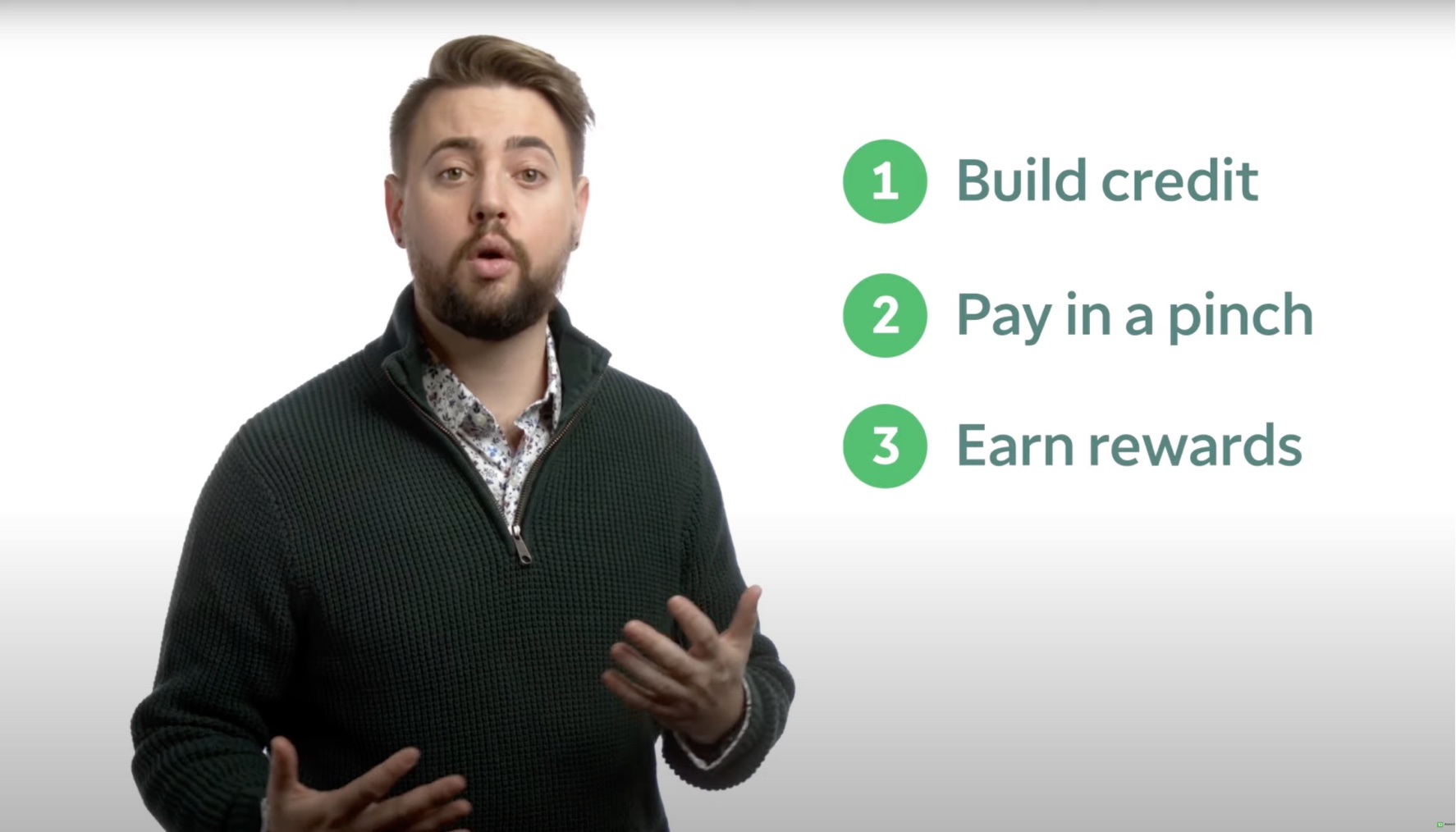
Having a credit card or two is a great way to build up personal credit which gives you better rates when you need to borrow or finance a big purchase like a car or a home.
Using Credit Cards
Credit cards can be very convenient for paying for all sorts of things. They can also give you rewards when you spend, like cash back every time you spend. But if you don’t use them wisely they can create real problems with debt.
What is Credit and Why is it Important?
Credit, or credit worthiness, is a way for lenders to decide if they are comfortable lending you money or not. Credit scores are numbers that represent your credit worthiness. Everyone from car dealerships to landlords look at your credit to decide if you are the right customer for them.
Get Answers:
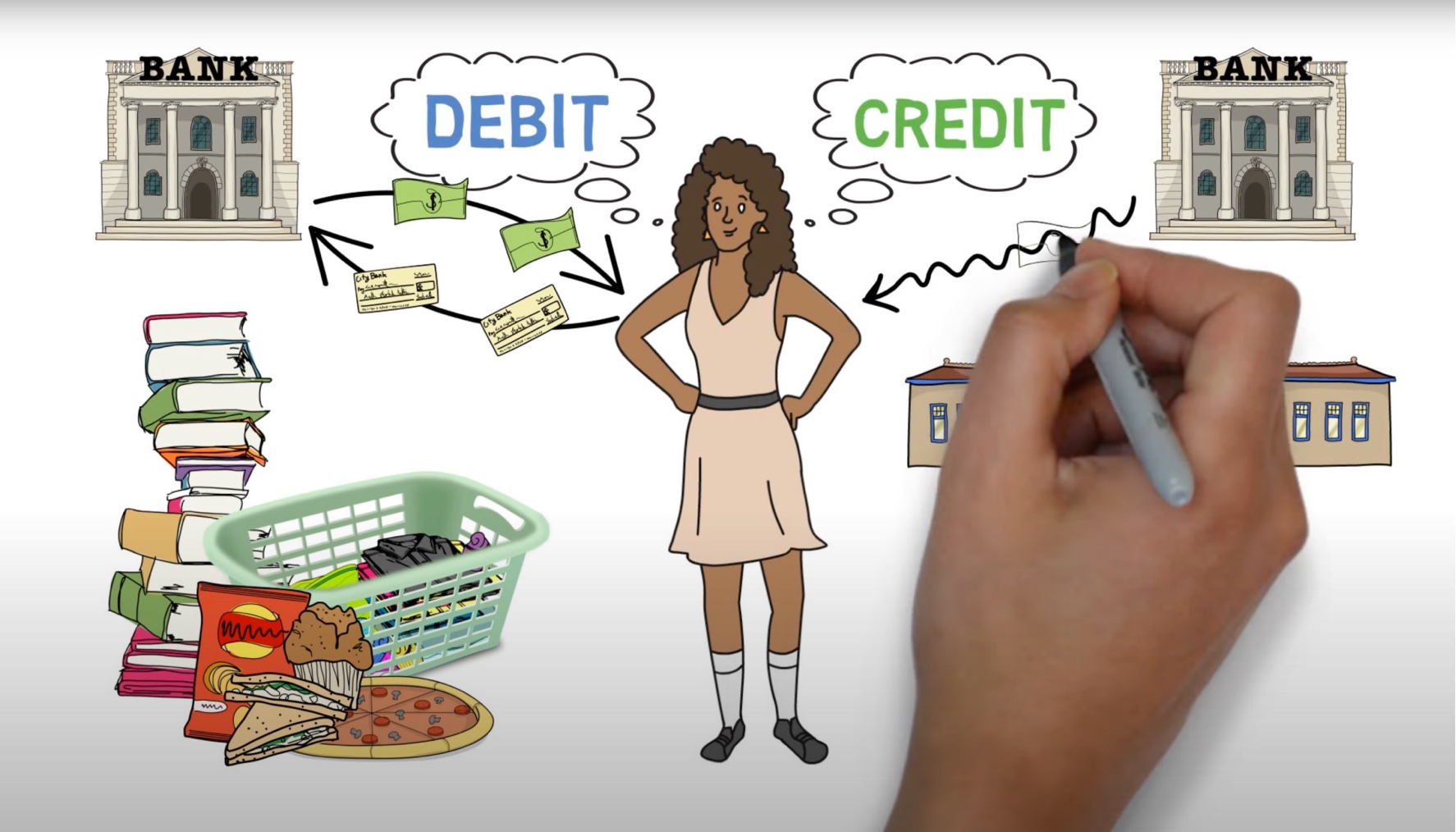
Both debit and credit cards can be used to pay for things without using cash, and both usually are connected to a credit card company like Visa or Mastercard. But debit cards are connected to a bank account and take money directly out of your account when you spend it. Credit cards are loaning you money whether or not you have money in your bank account at the time, and they charge you interest if you do not pay it all back on time (usually within 30 days).
Some credit cards have annual fees (usually around $100/year), but many don’t. The true cost of using credit cards comes if you do not pay off your balance in full every month or if you pay your credit card bill late. Interest and late fees can make credit cards VERY expensive to use. If you have no credit or bad credit, you may also apply for a secured credit card, and those do cost a small amount of money (usually between $50-200) which you can get paid back to you after a period of time if you always pay your bill.
Paying late or not at all will result in the credit card company charging you late fees (usually around $15-25 each time). But paying late also means that interest will be added onto to what you owe, and that can become a big problem.
This is where you can really get into trouble and lots of debt. Whenever you do not pay off your balance in full every month, you get charged a lot of interest and all of sudden that grocery bill that was $100 can easily turn into $200 or more.
It really depends on what you want it for. Credit cards with the best rewards usually charge an annual fee of $100 more and often have the highest interest rates (APR). Other cards offer a lower APR but don’t offer much in rewards like cash back or travel miles. The lower the APR, the lower the interest you will have to pay if you can’t pay off you entire bill on time (you should definitely avoid paying late).
One hard thing about getting your first credit card is that most credit card companies want to see that you already have good credit before giving you a card. But you can’t develop good credit without a credit card. Credit card companies also want to see that you have a job which provides you with a steady income. So having 6 months to a year of a steady job is usually a must. Oftentimes, students going to college will get credit card offers which may require a parent to co-sign. If you have no credit or bad credit, you may try applying for a secured credit card, which is kind of like a trial credit card that can turn into an unsecured card if you prove your ability to pay off your balance regularly.
This is an easy one. No. You should never use a payday lender. Payday lenders do not offer you a grace period to pay back what you owe, so get charged interest no matter what. And the interest they charge is often way higher than a credit card. Credit cards will typically charge 5%-25% interest, or APR if you don’t pay your bill in full every month. Payday lenders may charge as much as 500% interest no matter when you pay back the money, and that interest keeps adding up leaving you with a real problem that is very hard to get out of.
A credit score is a number that lenders use to determine if you are a good person to lend money to. Any time you borrow money from a bank, car dealership, or use a credit card, information about how well you pay off your loan goes into a credit report which is used to determine your credit score. If you always pay off your bills on time, and don’t borrow too much you will develop good credit. Paying late, or borrowing more than you can afford to pay back will usually result in a bad credit score, which makes it harder to borrow money in the future.
Both no credit and bad credit can make it hard to borrow money from a lender or to apply for a credit card. No credit means that you have nothing on your credit report (you have never borrowed money from a bank or other lender and have never had a credit card before). Bad credit means that you do have a credit history, but you have a history of paying late or borrowing more than you can afford. That is why it is important to always pay off credit card bills in full every month you have a balance.
Credit scores are on a scale of 300 to 850. Usually a score of about 600 is the minimum score to have “good credit.” And the higher your score, the better interest rates you can get for things like buying a car or a house.
Good credit opens up options for you to borrow money, buy a car, buy a house, and even rent an apartment. And having a credit is becoming more important these days to pay for all sorts of things or to put a deposit on a rental car or a hotel room.
The only way to fix bad credit is to improve your habits. It takes time for bad marks on your credit history to come off and for the good marks (like always paying on time) to take over. There are organizations that can help you work with your creditors to make a plan for paying off any debt you may have. And if you feel there is something on your credit report that you think is wrong, you can contest it. Check out the links under Take Action to find help.